
how kind acts improve your well-being
By Dr. Saloni Sharma | Lifestyle Medicine Physician
Kindness as a powerful, evidence-based practice
In the modern world, kindness is often relegated to the category of "soft skills." It is considered a nice-to-have social skill but ultimately irrelevant to performance or health.
This is dead wrong. Prosocial behaviors, the clinical term for voluntary actions intended to help others, are biological imperatives that enhance relationships, temper stress, and improve performance. People who practice prosocial behaviors improve their communities and their own health.
A kind act not only helps another person but initiates a profound physiological shift within your own body. The "Helper's High" is a health-promoting phenomenon.
The Neurobiology of "Being Nice"
The human brain is wired for connection. When we are stuck in cycles of stress, our brains often default to rumination—a self-centered loop of worry and analysis. Kind acts provide a cognitive "off-ramp" from this cycle.
By shifting our focus outward onto the needs of another, we trigger a specific neurochemical cascade designed to stabilize our emotions:
The Oxytocin Effect
Often called the "bonding hormone" or the "cuddle chemical," oxytocin is released during positive social interactions. Oxytocin does not just make us feel warm and fuzzy; it is cardioprotective. It helps dilate arteries, lowering blood pressure and reducing the strain on your heart during stressful periods.
Cortisol Regulation
Chronic stress keeps our nervous system stuck in a sympathetic state, flooded with cortisol. Prosocial interactions act as a buffer, helping to down-regulate this response and guide the nervous system back towards a parasympathetic state.
The Dopamine Reward
When you help someone, your brain’s reward center lights up, releasing dopamine. This is the biological basis of the "Helper’s High." Unlike the fleeting dopamine hits of social media, this surge supports lasting improvements in mood and motivation.
The Physiological ROI: Beyond the Brain
The benefits of kindness extend well beneath the surface and it is not an exaggeration to say that altruism impacts longevity.
Peer-reviewed research indicates that individuals who regularly practice kindness and maintain strong social ties experience:
Reduced Systemic Inflammation: Chronic stress leads to inflammation which feeds and perpetuates many ongoing diseases. Studies suggest altruism is linked to lower levels of excess, disease-promoting, inflammatory cytokines.
Improved Vagal Tone: Kindness can improve heart rate variability (HRV) which acts as a marker of good vagal tone and your body’s ability to recover efficiently from stress.
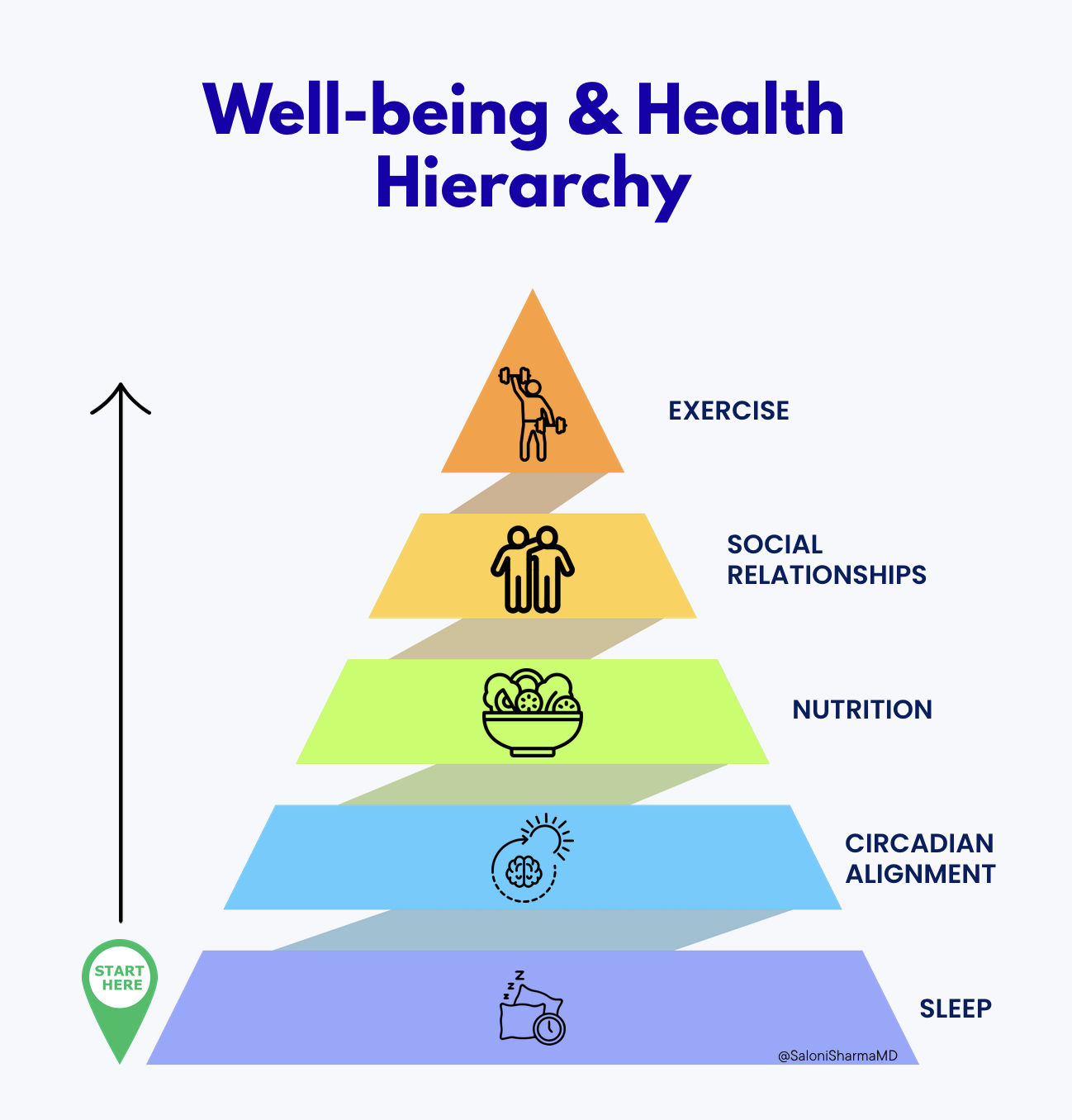
Enhanced Longevity: The data is clear: strong social integration is one of the single greatest predictors of a long, healthy life, rivaling factors like diet and exercise. In fact, social acts and connection are integral parts of my health pyramid.
The Clinical "Kindness Prescription"
If kindness is a medicine, what is the correct dosage?
Many people assume that to reap these rewards, they need to make grand, time-consuming gestures—volunteering hours every weekend or making large donations. While these are wonderful things to do, the data suggests that small, microboost acts can have big impacts. Consistency and connection outweigh grandeur.
A simple guide for greater kindness and resilience:
1. The Dosage - The Rule of Three: Aim for at least three intentional acts of kindness per week. This frequency seems sufficient to keep the neurobiological benefits active without becoming a burdensome "to-do" list item. For some, it might be easier to jump right in and start with one act a day.
2. The Format: Prioritize simple habits that are sustainable. Focus on small opportunities that arise naturally:
Holding a door for a stranger when you are in a rush.
Sending an encouraging text to a colleague who is struggling.
Practicing active listening with a partner without immediately offering a "fix."
3. The Medium, In-Person over Digital: While digital kindness is helpful, in-person acts yield the greatest benefits.
The Bottom Line
In an era focused on biohacking and expensive wellness trends, the most powerful acts are often overlooked. Kindness is a free and simple tool that is scientifically validated. When you help others, you feel more connected, reduce stress, gain greater meaning and purpose, and break the rumination cycle. Cheers to helping others and your self!
***
This is better living for busy people. We have the power to take back control of our health and thrive! For practical ways to support longevity for you and your loved ones, check out the award-winning guide: The Pain Solution. For an evidence-based gratitude and breathing practice, consider these resources including The Monet Gratitude Journal.
Cheers to owning your health and living better!
***
This piece is for education only and is not medical advice.
Any health changes must be discussed with your own physician.